At MR RV Mobile Repairs, we know how quickly appliance trouble can disrupt a trip or make an RV uncomfortable. A refrigerator that stops cooling can put food at risk, while a furnace that only circulates cold air can leave the living space unpleasant during cooler weather.
Both systems depend on fuel, electricity, airflow, and safety controls working together. A few careful checks may reveal a minor interruption. Continued problems often require professional testing.
Start With Propane Flow and Battery Power
Begin by checking the propane tanks. Confirm that they contain fuel and that each valve is completely open. A closed valve, low tank, or air trapped in the line may keep an appliance from igniting.
Light a stove burner and allow it to run for about 30 seconds. This can help clear air from the propane line while confirming that fuel is reaching another appliance. A weak or unstable stove flame may indicate a propane supply or regulator concern.
Next, check the RV house batteries. The refrigerator control board needs 12-volt power to initiate propane operation. The furnace also relies on battery voltage to run its blower and complete the ignition sequence.
A furnace may produce airflow without heat when the battery drops below approximately 12 volts. The fan can turn while still operating too slowly to activate the system’s safety controls. Charge the batteries before continuing if the voltage is low.
When the RV Refrigerator Will Not Cool on Propane
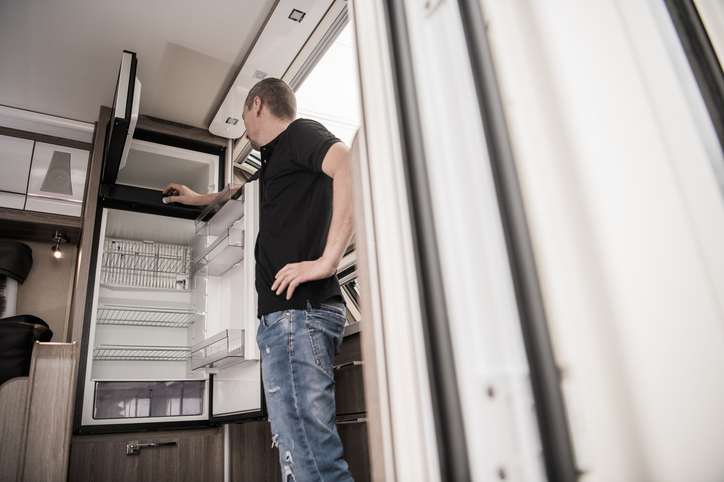
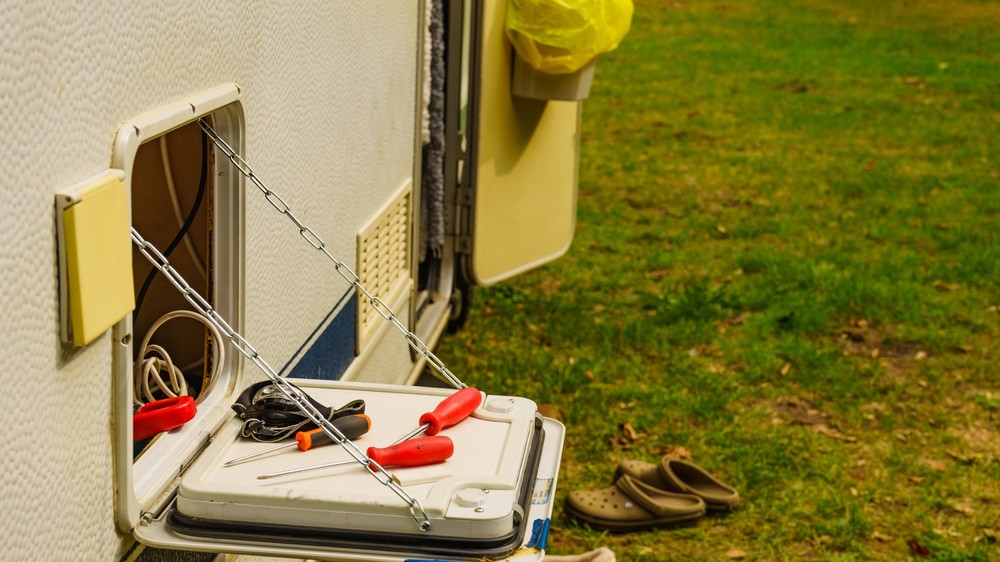
A refrigerator that works on electricity but fails on propane often has a gas-flow or ignition-related problem. Listen near the exterior refrigerator access panel when the unit attempts to start.
A clicking sound means the igniter is trying to light the burner. Clicking without ignition may indicate restricted propane flow, burner debris, or a flame-sensing problem. No clicking can point to a control or electrical fault.
Once the refrigerator is turned off and the burner area is cool, inspect it for visible buildup. Rust, dirt, and spider webs can obstruct the burner tube and affect the flame. Loose debris may be cleared carefully with compressed air.
The thermocouple or flame sensor must also be positioned within the flame. This component confirms that ignition occurred. If it cannot detect the flame, the refrigerator may shut off the propane supply as a safety precaution.
A simple reset may clear a temporary fault. Turn the refrigerator completely off, wait five minutes, and turn it back on in propane mode. Listen for the ignition attempt and allow enough time for the refrigerator to begin cooling. RV refrigerators do not lower compartment temperatures immediately.
Why an RV Furnace May Blow Cold Air
When the furnace fan runs but the vents never warm up, the burner has not ignited or the system has not confirmed successful ignition.
Test the stove again to verify that propane is flowing. Next, inspect the exterior furnace vents. Leaves, dirt, wasp nests, and other debris can restrict airflow or interfere with combustion. Remove only loose material while the furnace is off and cool.
The sail switch is another common area to check. Air from the blower pushes this safety switch into position before ignition can occur. Hair, lint, or dust may prevent it from closing. Low battery voltage can cause the same result by keeping the fan from reaching the necessary speed.
Listen carefully when the furnace starts. The blower should begin running, followed by the sound of the igniter. If the fan runs but the igniter never clicks, the sail switch or another safety control may be interrupting the startup process.
Do not repeatedly cycle a furnace that smells like propane, produces soot, or continually fails to ignite. Shut the appliance off and arrange for professional service.
Reset the Thermostat and Watch the Startup Sequence
A thermostat reset can sometimes resolve a temporary communication or control problem. Turn the thermostat off, wait approximately two minutes, and switch it back to heat mode.
Set the temperature above the current interior reading so the furnace receives a clear request for heat. Then observe the sequence:
• The blower should begin running.
• The igniter should attempt to light the burner.
• Warm air should follow after successful ignition.
The exact timing varies by furnace, but noting what happens can help narrow down the fault. Pay attention to unusual noises, repeated shutdowns, blinking fault indicators, or strange odors.
This information can also help a technician evaluate the appliance more efficiently. Avoid removing sealed covers, adjusting propane components, or working around live electrical connections without the proper training.
Know When Professional RV Service Is Needed
Basic RV refrigerator and furnace troubleshooting can resolve concerns caused by an empty propane tank, trapped air, low battery voltage, blocked vents, or a temporary control interruption.
Professional evaluation is appropriate when:
• The refrigerator repeatedly fails to ignite on propane.
• The furnace fan runs without producing heat.
• The igniter does not click.
• The burner will not remain lit.
• The appliance continues shutting down after a reset.
• You notice propane odors, soot, damaged wiring, or visible component damage.
Refrigerators and furnaces use safety controls that should not be bypassed. Accurate testing helps determine whether the fault involves the burner, igniter, sensor, sail switch, control board, propane supply, or another component.
Restore Reliable Cooling and Heat
A few simple checks can help you identify why an RV refrigerator is not cooling or a furnace is blowing cold air. Confirming propane flow, checking battery power, clearing exterior vents, and resetting the controls are practical places to begin.
When those steps do not solve the problem, MR RV Mobile Repairs can provide a more detailed professional evaluation at your location. Call 530-678-6778 or visit us online to schedule mobile RV refrigerator or furnace service.